
Miguel Taboada
The best Black British history documentaries to start with are Black and British: A Forgotten History (BBC, 2016), Handsworth Songs (1986), The Stuart Hall Project (2013), Subnormal: A British Scandal (BBC One, 2021), Uprising (BBC, 2021), Skin and Coal (1986) and The African History of Sport (2018). Between them they cover almost two thousand years, from an African community recorded in Roman Britain to the coalfields, classrooms and streets of the 1970s and 80s.
We make documentaries about Black history at Best UK Images, so this is a list of films we know and come back to. It mixes landmark BBC series with independent films made by Black British filmmakers while the history was happening, including two of our own.
Why watch Black British history documentaries in October?
In the UK, Black History Month is held every October. It was first celebrated in London on 1 October 1987, organised through the leadership of the Ghanaian analyst Akyaaba Addai-Sebo, who was working for the Greater London Council at the time. Almost forty years later, much of this history is still missing from what most people learn at school. Documentaries help close that gap because they put the people, the places and the testimony on screen. We wrote about the gap itself in Decolonising the Curriculum: Meaning and Why It Matters.
1. Black and British: A Forgotten History (BBC, 2016)
The natural starting point. Written and presented by the historian David Olusoga, now Professor of Public History at the University of Manchester, this four-part BBC series was first broadcast in November 2016. It follows the history of Black people in Britain and its colonies from Aballava, the first recorded African community in Britain, at the Roman fort of Burgh by Sands, to modern Black British identity.
Along the way it tells the stories of John Blanke, a musician of African descent at the Tudor court; Francis Barber, who lived in Samuel Johnson’s household in London; and Bill Richmond, freed from slavery during the American Revolution and later a bare-knuckle boxer in England. Each episode put up commemorative plaques to the people it featured, twenty in all. Olusoga’s book of the same name won the 2017 Hessell-Tiltman Prize.
2. Handsworth Songs (1986)
Directed by John Akomfrah and produced by Lina Gopaul, Handsworth Songs was made by the Black Audio Film Collective and filmed during the 1985 riots in Handsworth, Birmingham, and in London. The collective, founded in 1982, brought together seven Black British and diaspora artists. The film weaves archive footage, music by Trevor Mathison and voice-overs into a portrait of a community and a country at a turning point.
It came out in the same year as Skin and Coal: 1986 was a moment when Black British filmmakers were recording their own communities, in their own words.
3. The Stuart Hall Project (2013)
Akomfrah returned to British history with this 2013 film about the Jamaican-born cultural theorist Stuart Hall, one of the founding figures of the New Left and a key architect of Cultural Studies in Britain. It is built from a montage of documentary footage and Hall’s own words. Peter Bradshaw of The Guardian gave it four stars and called it “an absorbing account”.
4. Subnormal: A British Scandal (BBC One, 2021)
From the 1960s, many children of Caribbean families in Britain were classified as “educationally subnormal”, often wrongly, and sent to special schools and units. This BBC One documentary tells the story of that scandal and of the leaked school report that led to the publication of Bernard Coard’s 1971 booklet How the West Indian Child Is Made Educationally Sub-normal in the British School System. For teachers and parents, it is one of the most important films on this list.
5. Uprising (BBC, 2021)
Made for the BBC by Steve McQueen and James Rogan, Uprising is a three-part series about 1981, a year it argues defined race relations in the UK for a generation. It begins with the New Cross house fire of 18 January 1981, in which 13 young Black people aged between 14 and 22 died, and no one has ever been charged. It follows the Black People’s Day of Action on 2 March 1981, when some 20,000 people marched through London, and the Brixton riot later that year. Uprising won the BAFTA for Factual Series in May 2022.
6. Skin and Coal (1986)
Skin and Coal is Claudine Boothe’s first independent documentary. Filmed in 1986 in Doncaster, Leeds and Nottingham, it tells the story of two generations of coal miners of African and Caribbean descent through their own testimony and that of their families: how Black workers moved up from the lowest-paid and most dangerous jobs to most roles underground, the conditions they worked in, and the discrimination they went on meeting outside the pits.
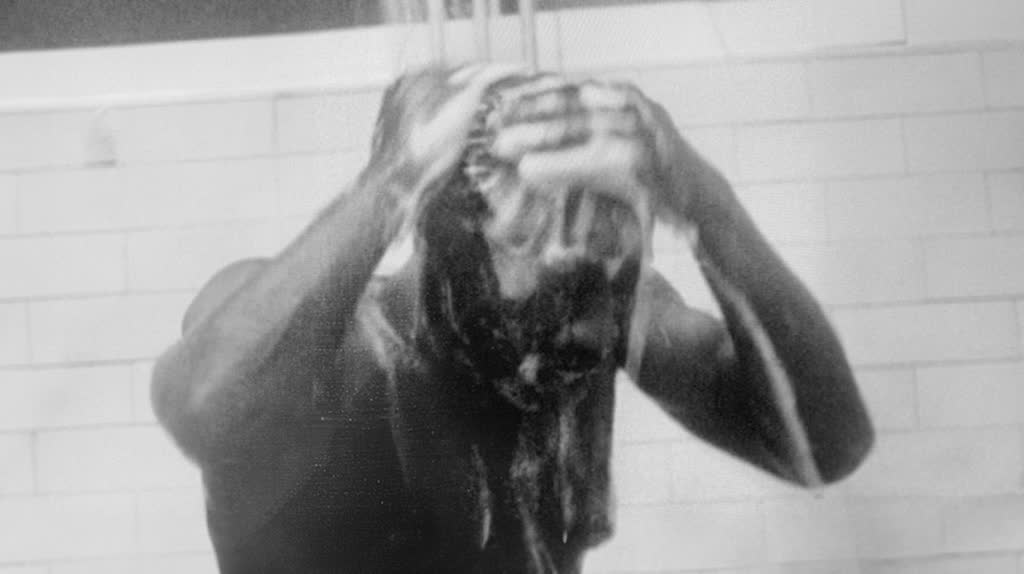
It is the only known audio-visual record of Caribbean people’s presence in Britain’s coal industry. The University of Nottingham uses it in teaching, and it is catalogued by the Black Miners Museum. The film turns 40 in 2026; we look back at it in Black Coal Miners in Britain: Skin and Coal at 40.
7. The African History of Sport (2018)
Not strictly British history, but made in Britain to fill a gap in British classrooms. Claudine Boothe’s two-part, 97-minute documentary traces Olympic and popular sports back to the ancient civilisations of Africa, including Egypt and Sudan, and pays tribute to the athletes who challenged the notion of racial supremacy. It premiered as a Black History Month event with Black History Studies and is streaming on Kush Cinema. For a quick introduction to the subject, read Sports Invented in Africa: 10 Games with Ancient Roots.
How to watch and use these films
Availability on streaming services changes, so check BBC iPlayer and other platforms for the BBC titles and the Akomfrah films before planning a screening.Skin and Coal is available from Concord Media on DVD, USB and video on demand, and The African History of Sport streams on Kush Cinema; both are listed on our Watch page.
For schools, universities and community groups, Skin and Coal comes with a study guide and a press kit you can download from our pages for educators and researchers and for the press. Both of our films are available for public screenings and educational licences.
Frequently asked questions
What are the best Black British history documentaries?
Good places to start are Black and British: A Forgotten History (BBC, 2016), Handsworth Songs (1986), The Stuart Hall Project (2013), Subnormal: A British Scandal (BBC One, 2021), Uprising (BBC, 2021), Skin and Coal (1986) and The African History of Sport (2018).
When is Black History Month in the UK?
Black History Month is held every October in the UK. It was first celebrated in London on 1 October 1987, organised through the leadership of Akyaaba Addai-Sebo with the Greater London Council.
Which documentary is about the New Cross fire?
Uprising (BBC, 2021), a three-part series by Steve McQueen and James Rogan about 1981. It covers the New Cross house fire of 18 January 1981, in which 13 young Black people died, and the events that followed. It won the BAFTA for Factual Series in 2022.
Is there a documentary about Black coal miners in Britain?
Yes. Skin and Coal (1986), directed by Claudine Boothe, records two generations of miners of African and Caribbean descent in Doncaster, Leeds and Nottingham. It is the only known film record of Caribbean people in Britain’s coal industry.
Where can I watch Skin and Coal?
Skin and Coal is available from Concord Media on DVD, USB and video on demand (48-hour rental or purchase). Screenings and educational licences can be arranged through projects@bukimage.com.
Screen these stories
Best UK Images makes documentaries about Black history and culture, from Skin and Coal to The African History of Sport, with new series in development such as The African Origin of Sport. For screenings, licences, co-productions or press, write to projects@bukimage.com.